What Is an NFT in Simple Terms: From Hype to Practical Use
We explain what an NFT is in simple terms: a non-fungible token, how it works, what it's actually used for in 2026, and how it connects to Ethereum which you can buy through Paybis.
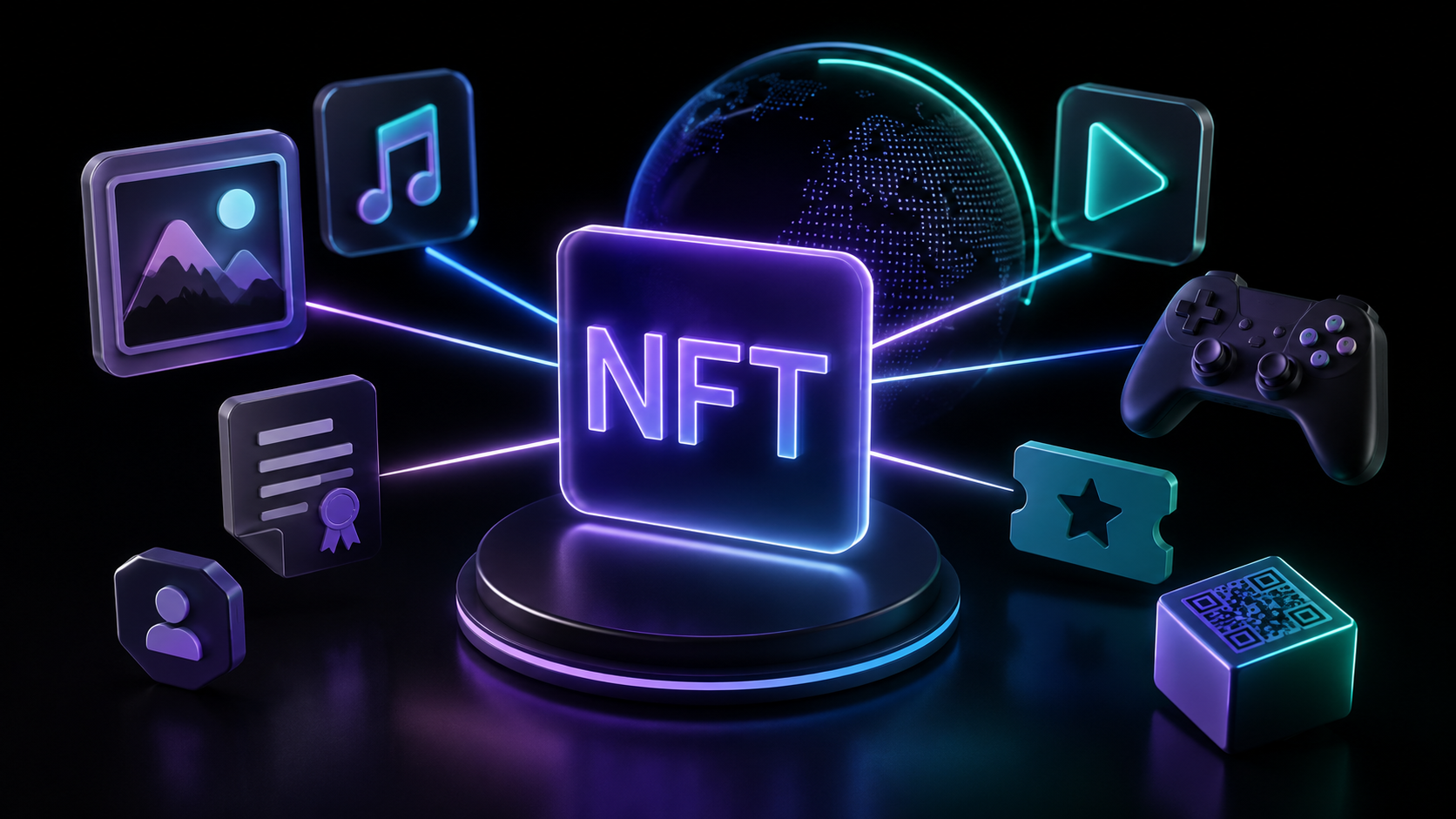
NFT is a term that a few years ago was synonymous with crypto hype, images of monkeys selling for millions, and sensational headlines. By 2026 the situation has changed: the speculative bubble has largely deflated, but the technology has remained — and found more practical applications. This article explains what an NFT really is, without the hype and without exaggeration.
NFT Stands for Something Simple
NFT — Non-Fungible Token.
To understand what this means, let's break down the word "fungible". Ordinary money is fungible. One $100 note is identical to any other $100 note in terms of its value and function. You can exchange one for another with no difference whatsoever. The same applies to cryptocurrency — one Bitcoin equals any other Bitcoin.
An NFT is the opposite. Each NFT is unique and has its own identifier recorded on the blockchain. It cannot be replaced by another NFT without changing its essence — just as you cannot replace the original of a painting with a reproduction and claim it's the same thing.
How an NFT Technically Works
An NFT is a record on a blockchain (most often Ethereum) that certifies: a specific token with a unique identifier belongs to a specific wallet address.
An important nuance that is often overlooked: the NFT itself usually does not contain the actual digital file — the image, video, or music. The NFT contains a link (metadata) pointing to the file, which is most often stored separately — on platform servers or in distributed storage systems.
This means: owning an NFT is owning a record of a claim, not the file itself. The image file can be copied by anyone (like any image on the internet) — but the record certifying that your wallet owns the "original" token remains unique and verifiable on the blockchain.
Smart contracts manage the NFT logic: who can mint new tokens in a collection, how ownership transfers happen on sale, and sometimes automatic royalty payments to the creator on every subsequent sale.
What NFTs Are Actually Used for in 2026
After the speculative peak of 2021–2022, the NFT market has changed significantly. Several areas where the technology finds practical application today.
Gaming assets. In video games, NFTs represent items the player actually owns — weapons, skins, plots of land in virtual worlds. Unlike regular game items which belong to the game developer, an NFT asset can be sold, transferred, and sometimes used across compatible games. This is the most viable application of NFTs today — a concrete utility function, not just collecting.
Digital identification and certificates. NFTs are used to certify authenticity — course completion certificates, diplomas, licenses, event tickets with anti-counterfeiting protection. This is an infrastructure application that doesn't require the end user to understand the NFT concept — to them it's simply a "digital ticket" or "digital certificate".
Digital art and collecting. This is the original and most well-known application — it continues to exist, but the market has become significantly more mature and less speculative than at the peak of the hype. Digital artists use NFTs to sell work directly to collectors, with the possibility of earning royalties on secondary sales.
Business tools. Loyalty programmes, membership clubs with access via NFT ownership, corporate certificates — using the technology for specific business needs without a public speculative market.
Risks Important to Understand
Volatility is extreme. The value of many NFTs can fall by 90% or more from peak values — this happened to a huge number of projects after the 2021–2022 hype. Buying an NFT expecting price appreciation is a speculative bet with high risk of total loss.
Liquidity. Unlike cryptocurrencies such as Bitcoin or Ethereum which can be sold almost instantly on any exchange, selling a specific NFT means finding a specific buyer willing to pay for a specific unique asset. This can take a long time or never happen at all.
File storage separate from the token. If the service hosting the file linked to an NFT shuts down, the token on the blockchain will remain, but the content it points to may become inaccessible. This is a well-known durability problem with many NFT projects.
Tax transparency. NFT transactions are recorded on a public blockchain. When withdrawing funds through official services, the origin of funds may be checked — this is normal practice for regulated platforms, but it's important to understand there's no anonymity here.
Fraud. The NFT market has historically attracted many fraudulent projects — fake collections, phishing sites mimicking popular marketplaces, "rug pull" schemes where project creators disappear after selling a collection. The level of caution should be higher than for ordinary cryptocurrency purchases.
How NFTs Connect to Buying Through Paybis
To interact with NFTs you mostly need Ethereum — this is the network most NFT collections and marketplaces run on.
If you bought ETH through Paybis and it's in your personal non-custodial wallet, you can use it to buy NFTs on specialised platforms by connecting your wallet to a marketplace.
It's important to understand the order of operations: Paybis sends you cryptocurrency to your personal wallet — this is an ordinary transaction unrelated to NFTs. Interaction with NFT marketplaces happens further down the line, directly through your wallet and the smart contracts of the relevant platforms — Paybis is not involved in that process.
For most cryptocurrency beginners, NFTs are not a first step and not a necessary step at all. First master basic storage, understanding of transactions and network fees — and interest in NFTs, if you have it, can be explored further with an understanding of the significant risks of this market.