How to Buy Crypto Safely: 5 Rules to Avoid Scams
Learn how to purchase cryptocurrency securely, identify red flags, and protect your digital assets from common beginner scams.
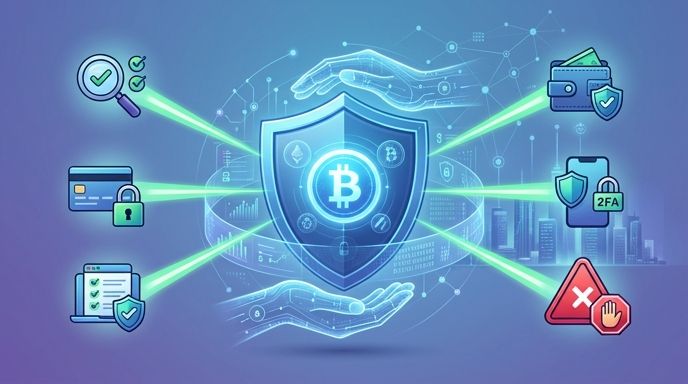
Key Takeaways
- Use licensed platforms: Only buy crypto through services that comply with global financial regulations.
- Keep credentials private: Never share your private keys, passwords, or seed phrases with anyone.
- Verify addresses: Double-check destination wallet addresses to prevent copy-paste malware tampering.
- Watch for red flags: Avoid any entity promising guaranteed returns or demanding urgent payments.
Buying cryptocurrency for the first time is exciting, but it also makes you a target for opportunistic scammers. Protecting your money requires knowing exactly where to buy and what red flags to watch out for.
By following a few strict security protocols, you can easily secure your digital assets. Here are five essential rules to guarantee a safe purchasing experience.
1. Only Use Regulated, Licensed Platforms
Avoid buying cryptocurrency from random individuals on forums, social media, or unverified peer-to-peer (P2P) sites. These channels are hotspots for fraud and offer zero consumer protection.
Always use an established, regulated service. For example, buying via Paybis ensures your transaction is handled by a platform fully compliant with US and EU regulations. Regulated platforms protect your personal data and use encrypted payment gateways for Visa and Mastercard transactions.
2. Never Share Your Private Keys or Recovery Phrases
Your crypto wallet is secured by a private key or a 12-to-24 word recovery phrase (seed phrase). Think of this phrase as the master key to your bank vault.
A legitimate crypto platform, support agent, or broker will never ask for your private key or recovery phrase. Anyone who asks for this information is trying to steal your funds. Store these keys offline on paper or a hardware device, never in your email or cloud storage.
3. Beware of Fake "Investment Managers" and Schemes
No legitimate financial entity can guarantee fixed daily or weekly returns on cryptocurrency. If a broker, Telegram contact, or social media influencer promises to double your money, it is a scam.
These bad actors often request that you buy crypto on a reputable exchange and transfer it directly to their "trading platform." Once you send your crypto, it is gone forever. Always maintain full control over your personal crypto wallet.
4. Double-Check Wallet Addresses and Blockchains
Crypto transactions are irreversible. Once sent, funds cannot be recalled by your bank, card issuer, or exchange.
Malware known as "clipper bots" can secretly change the wallet address you copy to your clipboard. Always verify every single character of the destination address on your screen before confirming the transaction. Ensure you are also using the correct blockchain network (e.g., Bitcoin network for BTC).
5. Enable Two-Factor Authentication (2FA)
Protecting your buying account with just a password is not enough. You must activate Two-Factor Authentication (2FA) immediately upon sign-up.
Avoid SMS-based 2FA, as hackers can bypass this using SIM-swapping techniques. Instead, use authenticator apps like Google Authenticator or Microsoft Authenticator. This adds an unbreachable layer of defense to your funds and personal data.
Critical Mistakes to Avoid
- Buying through direct messages (DMs): Never buy crypto from someone who messaged you first on Discord, Telegram, or Instagram, even if they claim to represent a trusted brand.
- Leaving large balances on exchanges: Once you buy crypto, transfer it directly to a self-custody wallet where you own the private keys.
- Rushing under pressure: Scammers often create a false sense of urgency, claiming you will miss a massive market pump or that your account will be locked. Slow down and verify every step.
FAQ
Can a legitimate crypto support agent ask for my password?
No. Legitimate support agents, including those from regulated partners like Paybis, will never ask for your password, private keys, recovery phrases, or remote access to your computer. If someone asks for these, block them immediately.
What should I do if I sent crypto to the wrong address?
Because blockchain transactions are permanent, there is no way to cancel or reverse a transfer once it is broadcast to the network. This is why you must always double-check the recipient address and verify the network type before completing the payment.
Is it safer to buy crypto with a credit card or debit card?
Both debit and credit card purchases are safe when completed through a regulated, PCI-compliant payment gateway. Buying through trusted platforms guarantees that your card details are fully encrypted and never exposed to third parties.