¿A dónde va tu Bitcoin? Una guía para principiantes sobre billeteras de criptomonedas
Cuando compras criptomonedas por primera vez, una de las preguntas más comunes es: "¿A dónde va realmente mi dinero?" A diferencia del dinero fiduciario tradicional, la criptomoneda no se guarda en un bolsillo físico o en una cuenta bancaria…
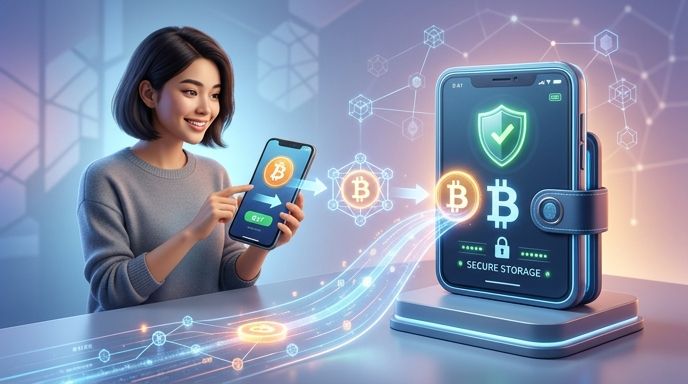
Cuando compras criptomonedas por primera vez, una de las preguntas más comunes es: "¿A dónde va realmente mi dinero?" A diferencia del dinero fiduciario tradicional, la criptomoneda no se guarda en un bolsillo físico ni en una cuenta bancaria estándar. En cambio, se asegura en una blockchain y se accede a ella a través de una herramienta digital llamada billetera de criptomonedas.
Comprender cómo funcionan las billeteras de criptomonedas es el paso más crucial para asegurar tus activos digitales. Esta guía te explicará a dónde van tus monedas después de comprarlas, cómo funcionan los diferentes tipos de billeteras y por qué mantener tus activos en una billetera personal es la opción más segura.
La respuesta corta: ¿Dónde está tu criptomoneda?
La criptomoneda nunca existe físicamente en ningún lugar. Existe como transacciones de datos en un libro mayor digital descentralizado llamado blockchain.
Tu billetera de criptomonedas no almacena monedas reales. En cambio, almacena tus claves privadas, las contraseñas digitales que te dan la propiedad y el permiso para mover tu criptomoneda en la blockchain.
Cuando compras Bitcoin, el vendedor escribe una transacción en la blockchain que transfiere la propiedad de ese Bitcoin a tu dirección pública. Tu billetera es simplemente la herramienta que usas para ver, administrar y gastar esas monedas.
Tipos de billeteras de criptomonedas: Custodiales vs. No Custodiales
Al elegir dónde guardar tu criptomoneda, elegirás principalmente entre dos categorías principales: billeteras custodiales (alojadas) y billeteras no custodiales (personales).
Aquí tienes una comparación rápida para ayudarte a entender las diferencias:
Característica · Billeteras Custodiales (ej. Exchanges) · Billeteras No Custodiales (ej. Apps Personales, Hardware)
¿Quién controla las claves? · Plataforma de terceros (el exchange) · Tú (el usuario)
Nivel de seguridad · Moderado (vulnerable a hacks de la plataforma) · Alto (totalmente controlado por ti)
Recuperación de acceso · Fácil (a través del servicio al cliente "Olvidé mi contraseña") · Difícil (requiere una frase semilla de recuperación; si se pierde, los fondos desaparecen)
Ideal para · Trading rápido y principiantes absolutos · Almacenamiento a largo plazo y tenencia segura
Propiedad · "Ni tus claves, ni tus monedas" · Propiedad independiente total
En CryptoGuide, recomendamos encarecidamente el uso de una billetera personal no custodial. Cuando utilizas servicios de confianza como nuestro socio Paybis, tus criptomonedas recién compradas se envían directamente a tu billetera personal no custodial justo después de la compra, asegurando que mantengas el control total de tus fondos desde el primer día.
Cómo funciona el proceso de compra y entrega
Comprar criptomonedas y recibirlas en tu billetera personal es un proceso sencillo y seguro. Así es como funciona paso a paso:
- Obtén tu dirección de billetera: Primero, descarga una aplicación de billetera no custodial de buena reputación (como Trust Wallet o Electrum) y copia tu dirección pública de recepción (una larga cadena de números y letras).
- Especifica tu billetera durante la compra: Al iniciar una compra a través de nuestro socio recomendado Paybis, se te pedirá que ingreses tu dirección de billetera.
- Completa una verificación rápida: Los nuevos usuarios completan una verificación de identidad impulsada por IA (KYC) que toma menos de 3 minutos.
- Realiza un pago: Paga de forma segura con tu Visa o Mastercard.
- Entrega instantánea: Tan pronto como se procese el pago, las monedas se envían instantáneamente directamente a tu dirección de billetera personal en la blockchain.
Por qué la entrega directa a la billetera es más segura
Muchos exchanges centralizados requieren que mantengas tus criptomonedas compradas en su plataforma. Si bien es conveniente para los traders diarios, esto presenta riesgos de seguridad. Si el exchange quiebra o sufre un ciberataque, tus activos podrían congelarse o perderse.
Al elegir plataformas que ofrecen entrega directa a la billetera, evitas este riesgo por completo. La transacción va directamente del procesador de pagos fiduciarios a la red blockchain, asegurando los activos directamente bajo tus claves privadas.
Preguntas Frecuentes (FAQ)
¿Qué es una dirección de billetera de criptomonedas?
Una dirección de billetera es como una dirección de correo electrónico o un número IBAN. Es una cadena pública de letras y números que compartes con otros para que puedan enviarte criptomonedas. Es completamente seguro compartir tu dirección pública.
¿Puedo almacenar diferentes criptomonedas en la misma billetera?
Muchas billeteras modernas (billeteras multidivisa) pueden contener Bitcoin, Ethereum, Litecoin y miles de otros tokens. Sin embargo, siempre debes asegurarte de enviar la criptomoneda correcta a la dirección correcta (por ejemplo, solo enviar Bitcoin a una dirección de Bitcoin).
¿Cuánto tiempo tarda en llegar la criptomoneda a mi billetera?
Al comprar con tarjeta de crédito o débito a través de nuestro socio Paybis, tu transacción se procesa al instante. Dependiendo del tráfico de la red de la blockchain específica (como Bitcoin o Ethereum), las monedas suelen aparecer en tu billetera entre 5 y 20 minutos.
¿Qué sucede si pierdo mi frase de copia de seguridad de la billetera?
Tu frase de copia de seguridad (o frase semilla) es una secuencia de 12 a 24 palabras que actúa como la clave maestra de tu billetera no custodial. Si pierdes esta frase y tu dispositivo se rompe, tu criptomoneda se perderá permanentemente. Siempre escribe tu frase semilla en papel y guárdala en un lugar seguro a prueba de fuego.